
- বিভিন্ন রোগ ও তার ওষুধ
- ডায়াবেটিস
- যৌনরোগ
- চর্ম রোগ, দাদ, একজিমা, এলার্জি, চুলকানী
- কোষ্ঠকাঠিন্য
- হাঁপানি
- অরুচি, ক্ষুধা, মন্দ, রক্ত সল্পতা
- জন্ডিস, গ্যাস্ট্রিক এবং আলসার
- মুত্রযন্ত্র বা কিডনির রোগ
- সর্দি-কাশি
- বাত ও ব্যথা
- কোলেস্টেরল ও উচ্চ রক্তচাপ
- আমাশয়, পাতলা পায়খানা ও কৃমি রোগ
- মাল্টিভিটামিন ও ক্যালসিয়াম
- ব্রেন এবং নার্ভ টনিক
- চুলের যত্ন
- হার্টের রোগ
- অর্শ বা পাইলস রোগ
- উচ্চতা বৃদ্ধি
- পরিবার পরিকল্পনা ও গোপনীয়তা
- ইউনানী এবং আয়ুর্বেদিক কোম্পানি
- হোমিওপ্যাথিক মেডিসিন
- এলোপ্যাথিক মেডিসিন কোম্পানি
- জেনেরিক নাম
Navigating the Complexities of Office Software Licensing

In today’s digital age, navigating the complexities of software licensing is crucial for businesses and individuals alike. Among the myriad software licenses available, Microsoft Office often stands out due to its widespread use and importance in daily operations. Understanding how to efficiently activate and manage these licenses can save time and ensure compliance, preventing potential disruptions in workflow and maintaining productivity across various sectors.
Understanding Microsoft Office Licensing
Microsoft Office comes with several licensing models, each catering to different needs. Whether you opt for a subscription-based model like Office 365 or a perpetual license with a one-time purchase, knowing the ins and outs of activation is essential. The activation process typically involves entering a license key that unlocks the full features of the software. This process ensures that all functionalities are available to users, enhancing their ability to perform tasks efficiently and effectively.
The Role of Microsoft Office Activator
A Microsoft Office activator is a tool used to activate an unlicensed copy of Microsoft Office. It’s important to understand that using unauthorized activators can be risky and may lead to legal complications. However, they are popular due to their ability to bypass traditional activation methods. These tools exploit vulnerabilities within the software’s licensing framework, offering users a shortcut that can sometimes seem appealing but comes with significant risks.
Exploring KMS Activation
KMS (Key Management Service) is a technology used by Microsoft as part of its volume licensing suite. It’s especially popular in corporate environments where multiple machines need activation. Solutions like KMSpico Windows rely on this technology to automate product activation without manual input from users. This automation not only saves time but also minimizes errors that could arise from manual processes, ensuring seamless operations.
How KMSpico Works
KMSpico Office works by emulating a Key Management Server within your machine. This allows it to automatically activate not only Microsoft Office but also Windows products without requiring connection to an external server. This tool simplifies management for IT departments handling numerous installations, allowing them to focus on other critical aspects of system maintenance and support.
The Mechanics of Product Activation
Product activation ensures that only licensed users can access premium features of Microsoft Office tools. The process involves authentication against Microsoft’s servers using either an online method or a telephone system when internet access is unavailable. This authentication guarantees that software usage complies with licensing agreements, thus protecting both the user and the developer from unauthorized use.
KMS vs MAK: Which is Right for You?
Businesses often face the choice between KMS and MAK (Multiple Activation Key). KMS requires periodic reactivation but supports unlimited activations within a local network. In contrast, MAK uses a one-time activation per device but limits the number of devices based on purchased licenses. The decision between these options depends on organizational needs, including the scale of operations and budget constraints.
Comparison
| Aspect | Legal Activators | Illegal Activators |
|---|---|---|
| Compliance | Fully compliant with laws | Violates software licensing terms |
| Security | Safe and secure to use | High risk of malware or viruses |
| Support | Eligible for official support | No support from Microsoft |
| Cost | Requires purchase or subscription | Often free but risky |
| Sustainability | Ensures software updates | No updates; potential issues |
Performance Considerations
- KMS setups are best suited for environments with at least 25 clients or more.
- KMS servers ideally operate within systems having VM constraints such as 2 vCPU / 4 GB RAM for optimal performance.
- MAK keys may be preferred in smaller environments where individual activations are manageable and less frequent updates are required.
The Risks Involved with Unauthorized Activators
Utilizing unauthorized activators like those found in random kmspico download links can expose systems to malware or breaches, potentially compromising sensitive data. Additionally, using illegal activators may violate Microsoft’s terms and result in penalties or loss of service support. The security risks associated with these tools can lead to data loss or theft, impacting business continuity and reputation.
Finding Legitimate Solutions
To avoid these risks, legitimate methods such as purchasing genuine software keys directly from Microsoft or authorized resellers ensure that you receive reliable product updates and full support. Investing in authentic licenses supports developers’ efforts in delivering high-quality products while providing users peace of mind regarding security and functionality.
Tools for Managing Licenses
There are various tools available designed to help manage software keys effectively. For example, the Software License Manager is invaluable for keeping track of multiple product licenses within an organization while ensuring compliance with vendor requirements. Efficient license management helps prevent overspending on unnecessary licenses while ensuring all necessary products remain fully functional.
Command Line Activation Using DISM
The Deployment Imaging Service and Management tool (DISM) can be employed for activating systems via command line interface, offering flexibility particularly in headless server environments or automated deployments. This method provides advanced users with powerful tools to streamline deployment processes while maintaining control over system configurations.
The Future of Office Software Licensing
As technology evolves, so do licensing models, leaning towards more flexible subscription services that offer regular updates without the necessity for frequent re-purchases. This trend reflects user demand for more adaptable solutions aligning with dynamic business needs. Subscription models often include additional services such as cloud storage or collaboration tools, enhancing overall productivity.
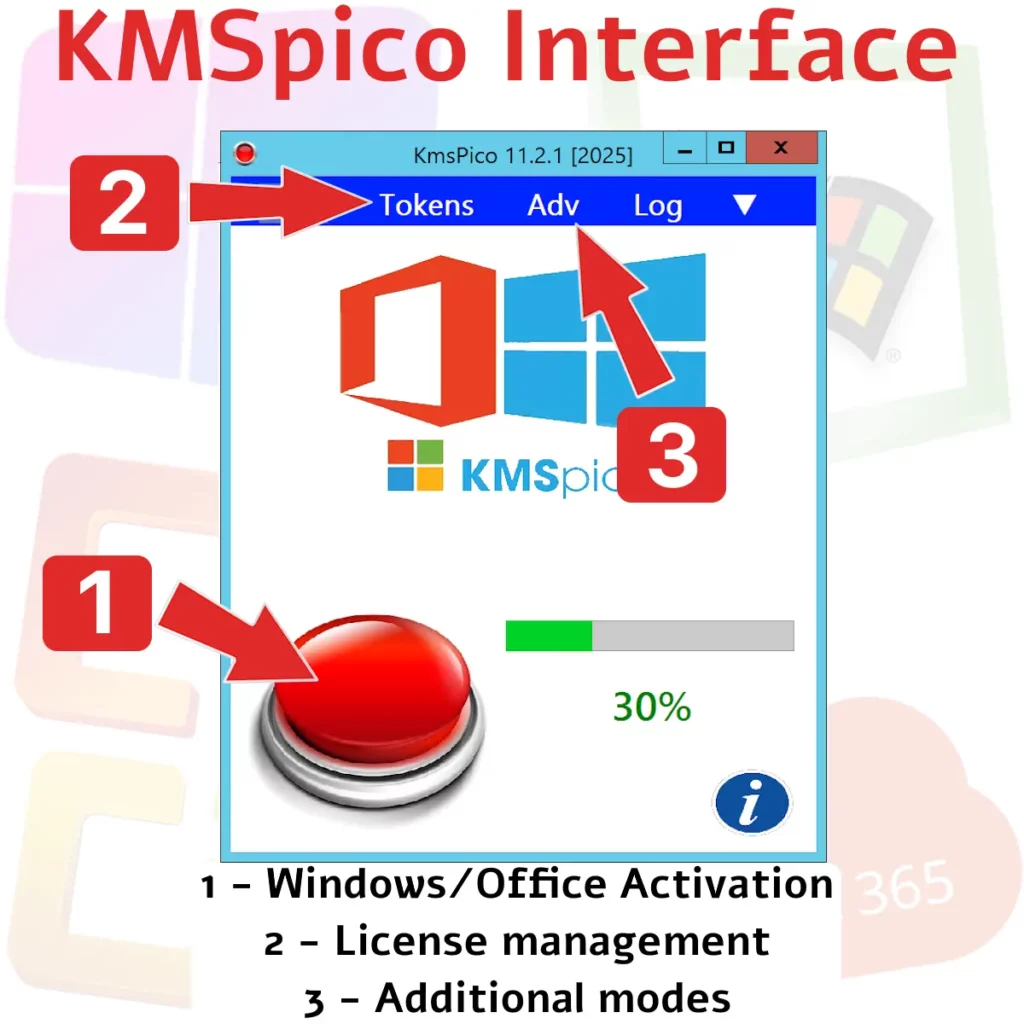
Navigating These Changes with Microsoft Office Activator
Adapting to these shifts requires staying informed about changes in licensing agreements and evolving technologies like cloud-based services that provide seamless integration across devices and platforms without cumbersome activation codes. Businesses must remain agile, ready to adjust strategies as new solutions emerge that could offer competitive advantages through enhanced capabilities and reduced operational costs.
Understanding how tools like microsoft office activator work aids in comprehending broader software licensing strategies—critical knowledge that empowers users and businesses alike in making informed decisions for their technological investments. By staying informed about current trends and developments in software licensing, organizations can better prepare for future challenges while maximizing their existing resources effectively.
Không cần fake IP, không lo chặn link – 66b bet cung cấp đường vào ổn định qua đại lý chính thức, giúp bạn truy cập mượt mà mọi lúc, mọi nơi. TONY05-04O
Theo cảm nhận của mình thì ott watch for pikashow có chất lượng ổn định và phù hợp để giải trí hàng ngày. TONY08-28
Sau vài hôm trải nghiệm 888slot , mình thấy dùng khá ổn định. TONY09-21